Selasa, 25 Juni 2024

Exploring the Villages of the Year 3000: A Glimpse into Future Societal Landscapes


Exploring the Villages of the Year 3000
As humanity hurtles through time, envisioning what life might be like in the distant future often conjures up images of sleek cities, advanced technologies, and interconnected global networks. Yet, amidst these grand visions, the question arises: will villages still exist in the year 3000?

Villages, traditionally seen as small, close-knit communities with a distinct rural charm, have evolved significantly over millennia. From simple agrarian societies to modern-day hamlets blending tradition with contemporary living, villages have adapted to changing societal needs and technological advancements.

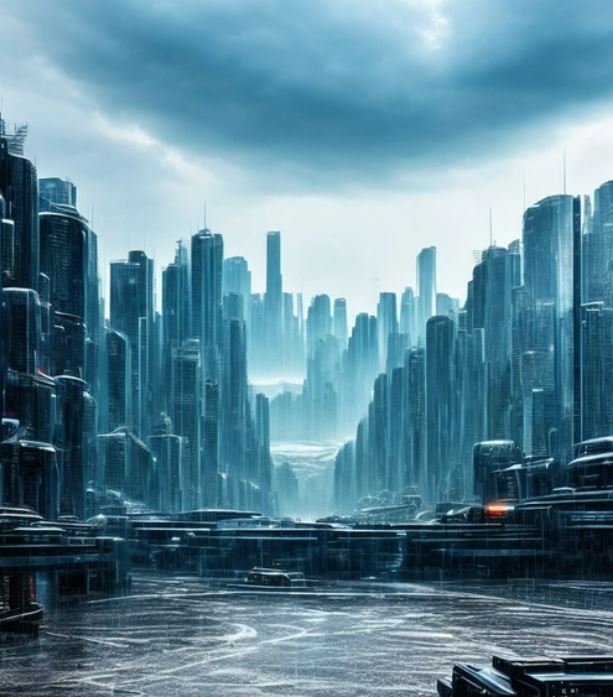
Fast forward to the year 3000, and the concept of a village may undergo profound transformations. Imagine settlements nestled in biodiverse havens, where sustainable technologies harmonize with nature, creating self-sufficient ecosystems. These future villages could be hubs of innovation, nurturing creativity while preserving cultural heritage.

Technological marvels of the future might weave seamlessly into village life. Imagine vertical farms towering over quaint cottages, providing fresh produce year-round. Advanced energy systems could harness renewable sources, ensuring villages thrive independently of external grids. Transportation might feature eco-friendly modes, from hyperloops connecting rural communities to hovercrafts gliding above serene landscapes.

Social dynamics could redefine village life. Communities might embrace diverse backgrounds, fostering inclusivity and mutual respect. Virtual reality could enhance education and entertainment, bridging distances and enriching communal experiences. Governance could be decentralized yet interconnected, with villages contributing to global dialogues on sustainability and governance.

Cultural richness would endure, with festivals celebrating ancestral traditions alongside futuristic art forms. Wisdom passed down through generations would blend with cutting-edge knowledge, creating a tapestry of resilience and adaptability. Architectural wonders might meld with natural landscapes, embodying a balance between innovation and reverence for the environment.

Challenges, too, would shape future villages. Climate adaptation strategies could safeguard against extreme weather events, while ethical considerations might guide the integration of artificial intelligence into daily life. Economic resilience would be built on local entrepreneurship and global collaboration, ensuring villages thrive amidst planetary shifts.

In the year 3000, villages could serve as beacons of sustainability, resilience, and human connection. They would embody the essence of community amidst a rapidly evolving world, offering havens where the past meets the future in harmonious coexistence.

While the specifics of future villages remain speculative, one thing is certain: whether perched atop mountain slopes or nestled along riverbanks, villages in the year 3000 will continue to embody the timeless spirit of human resilience, adaptability, and the quest for balance in an ever-changing world.

Minggu, 31 Desember 2023

Rivers on the Moon: How Humans Transformed Our Lunar Neighbor in the Year 3000


Rivers on the Moon: How Humans Transformed Our Lunar Neighbor in the Year 3000

The year 3000 saw incredible advancements in technology and human exploration, including the development of new methods for terraforming and colonizing celestial bodies. One of the most awe-inspiring achievements of this time was the creation of rivers on the moon, which transformed the lunar landscape and opened up new possibilities for exploration and habitation. In this article, we'll explore how humans made rivers on the moon and what it means for the future of space exploration.

The Challenges of Lunar Colonization

Before we can understand how humans created rivers on the moon, it's important to understand the challenges of lunar colonization. The moon lacks a dense atmosphere, which means that it's constantly bombarded by solar radiation and cosmic rays. Additionally, the lack of air and water on the moon makes it difficult to sustain human life over an extended period of time. In order to establish a permanent lunar base, humans needed to find a way to create a habitable environment on the surface.

Terraforming the Moon

In the early years of lunar colonization, scientists and engineers experimented with various methods for terraforming the moon. One of the most promising methods involved the use of ice comets, which were captured and redirected to the moon. The comets were then used to create a layer of water on the lunar surface, which would be essential for sustaining life and creating a habitable environment.

However, the process of capturing and redirecting ice comets was slow and inefficient. It wasn't until the discovery of a massive underground network of lava tubes on the moon that humans found a more efficient method for terraforming the lunar surface.

The Lunar Rivers

The lava tubes on the moon were filled with a variety of minerals and metals, including iron, titanium, and aluminum. By using advanced mining and excavation techniques, humans were able to extract these minerals and use them to create a series of underground channels and tunnels. These channels were then filled with water, creating the first rivers on the moon.

The creation of these rivers was a monumental achievement for humans, and it opened up new possibilities for lunar exploration and habitation. The rivers provided a source of water and oxygen for humans living on the moon, as well as a means for transportation and exploration. Humans were able to use boats and other watercraft to navigate the lunar rivers, exploring new areas and mapping the lunar landscape.

The Future of Lunar Exploration

The creation of rivers on the moon was just the beginning of human exploration and colonization of our lunar neighbor. In the years since the rivers were created, humans have continued to develop new technologies and methods for terraforming and colonizing the moon. Some of the most promising developments include the use of 3D printing technology to create lunar habitats, the creation of artificial ecosystems to support life on the moon, and the development of new propulsion systems for space travel.

As we look to the future, the moon holds immense potential for human exploration and discovery. The creation of rivers on the moon was just one small step in a much larger journey, but it represents the incredible ingenuity, creativity, and determination of the human spirit. With continued advancements in technology and human exploration, the possibilities for lunar exploration and habitation are endless.

Conclusion

The creation of rivers on the moon in the year 3000 was a monumental achievement for humans and represents a new era of space exploration and habitation. The development of new technologies and methods for terraforming and colonizing the moon has opened up new possibilities for human discovery and exploration, as we continue to push the boundaries of what we thought was possible. While the creation of rivers on the moon may seem like science fiction, it is a testament to the incredible ingenuity, creativity, and determination of the human spirit.

As we look to the future, it's clear that there are still many challenges and obstacles to overcome in our quest for space exploration and habitation. However, the creation of rivers on the moon provides a glimmer of hope and inspiration for what is possible when we work together and push the boundaries of what we thought was possible.

While we may never know exactly what the future holds, one thing is clear: the human spirit will continue to drive us forward, pushing us to explore new frontiers and make incredible discoveries. Who knows what other wonders we may find in the vast expanse of space, just waiting to be discovered?

Minggu, 24 Desember 2023

City of the Moon: Life in the Lunar Metropolis of the Year 3000


City of the Moon: Life in the Lunar Metropolis of the Year 3000

Humanity has long been fascinated with the moon, and in the year 3000, that fascination has become a reality. With the development of new technologies and space exploration efforts, humans have established large cities on the lunar surface, offering a new frontier for exploration and discovery.

The Lunar Metropolis

The lunar cities of the year 3000 are bustling metropolises, with populations in the hundreds of thousands. They are built in sprawling underground complexes, protected from the harsh lunar environment and the constant bombardment of cosmic radiation.

The cities are powered by advanced fusion reactors, providing a nearly limitless source of energy. The buildings and infrastructure are constructed using advanced materials, such as graphene and carbon nanotubes, which are able to withstand the extreme temperature swings and lack of atmosphere on the moon.

Living on the Moon

Life on the moon in the year 3000 is very different from life on Earth. The lack of atmosphere and gravity requires humans to wear special suits and use airtight habitats to survive outside. The low gravity also means that movement and physical activity require less effort, and humans have adapted to this environment by developing longer, thinner limbs and smaller, more delicate bones.

Despite the challenges of living on the moon, many people choose to make it their home. The lunar cities offer a unique sense of community and camaraderie, as the inhabitants must rely on each other for survival in a harsh and unforgiving environment.

Trade and Commerce

The lunar cities of the year 3000 are not isolated outposts, but rather bustling hubs of trade and commerce. With the development of new technologies and transportation methods, goods and services can be exchanged between the moon and Earth in a matter of hours.

The moon is rich in resources such as helium-3, which is a valuable fuel source for fusion reactors. This has led to a thriving industry of mining and resource extraction on the lunar surface, as companies and governments race to secure access to these valuable resources.

The Future of the Moon

The lunar cities of the year 3000 represent a new frontier for humanity, offering endless possibilities for exploration and discovery. As technology continues to advance, it is likely that humans will continue to build and expand on the moon, creating even larger and more advanced cities.

The moon may also serve as a stepping stone for future exploration of the solar system, as it offers a relatively accessible and resource-rich location for space travel. Humans may use the moon as a launchpad for missions to Mars and beyond, paving the way for even more incredible feats of space exploration and discovery.

Conclusion

The lunar cities of the year 3000 represent a unique vision of the future, one in which humans have pushed the boundaries of what is possible and created thriving communities in the most unlikely of places. While there are still many challenges and obstacles to overcome, the human spirit of exploration and discovery will continue to drive us forward, inspiring us to reach for the stars and achieve even greater heights.

Jumat, 15 Desember 2023

The Lunar World: A Look at the Seven Continents of the Moon in the Year 3000


The Lunar World: A Look at the Seven Continents of the Moon in the Year 3000

As we continue to explore and expand into the universe, the moon has become an increasingly important destination for human exploration and habitation. In the year 3000, the moon has undergone a significant transformation, with seven distinct continents that have been colonized and developed by humans. In this article, we'll take a closer look at these seven continents and what they have to offer.

1. Tranquility

The continent of Tranquility is located in the Sea of Tranquility, a large lunar mare on the near side of the moon. Tranquility is home to one of the first human settlements on the moon, established in the early 21st century. Today, Tranquility is a thriving metropolis, with a population of over 2 million people.

Tranquility is known for its stunning natural beauty, including vast plains and deep craters that provide a glimpse into the moon's geological history. The continent is also home to several research facilities, studying topics ranging from lunar geology to space exploration.

2. Apollo

The continent of Apollo is located in the lunar highlands, on the near side of the moon. It is named after the Apollo program, which sent several manned missions to the moon in the late 20th century. Apollo is home to several mining operations, extracting valuable resources from the moon's surface.

Despite its industrial nature, Apollo is also home to several research facilities and scientific outposts, studying topics ranging from astrophysics to lunar geology. The continent is also home to several tourist destinations, including the Apollo 11 landing site.

3. Serenity

The continent of Serenity is located in the Serenitatis basin, a large impact crater on the near side of the moon. Serenity is known for its stunning natural beauty, including towering mountains and deep canyons.

Serenity is also home to several scientific outposts, studying topics ranging from lunar geology to planetary astronomy. The continent is also home to several recreational facilities, including ski resorts and hiking trails.

4. Oceanus

The continent of Oceanus is located in the Oceanus Procellarum, a large lunar mare on the near side of the moon. Oceanus is known for its stunning natural beauty, including vast plains and rugged mountains.

Oceanus is also home to several research facilities, studying topics ranging from lunar geology to space exploration. The continent is also home to several manufacturing facilities, producing goods ranging from electronics to spacecraft components.

5. Imbrium

The continent of Imbrium is located in the Imbrium basin, a large impact crater on the near side of the moon. Imbrium is known for its stunning natural beauty, including deep canyons and towering mountains.

Imbrium is also home to several scientific outposts, studying topics ranging from lunar geology to planetary astronomy. The continent is also home to several recreational facilities, including ski resorts and hiking trails.

6. Orientale

The continent of Orientale is located in the Orientale basin, a large impact crater on the near side of the moon. Orientale is known for its stunning natural beauty, including deep canyons and rugged mountains.

Orientale is also home to several research facilities, studying topics ranging from lunar geology to space exploration. The continent is also home to several manufacturing facilities, producing goods ranging from electronics to spacecraft components.

7. Copernicus

The continent of Copernicus is located in the Copernicus crater, a large impact crater on the near side of the moon. Copernicus is known for its stunning natural beauty, including deep canyons and rugged mountains.

Copernicus is also home to several scientific outposts, studying topics ranging from lunar geology to planetary astronomy. The continent is also home to several recreational facilities, including ski resorts and hiking trails.

The Future of Lunar Exploration

The development and colonization of the moon's seven continents is just the beginning of humanity's exploration and expansion into the universe. As we continue to develop new technologies and explore new frontiers, the moon will play an increasingly important role in our future as a species.

From mining valuable resources to conducting scientific research, the moon offers a wealth of opportunities for human exploration and advancement. It's up to us to continue to push the boundaries of what's possible and unlock the full potential of this amazing celestial body.

Conclusion

In the year 3000, the moon has become an important destination for human exploration and habitation. With seven distinct continents that have been colonized and developed by humans, the moon offers a wealth of opportunities for scientific research, industrial development, and recreational activities.

The future of lunar exploration is exciting and full of possibilities, and it's up to us to continue to push the boundaries of what's possible and unlock the full potential of this amazing celestial body.

Kamis, 07 Desember 2023

Fishing on the Moon: A Look at the Future of Lunar Exploration


Fishing on the Moon: A Look at the Future of Lunar Exploration

For centuries, humans have been fascinated by the mysteries of the moon. From ancient myths to modern scientific exploration, the moon has captivated our imaginations and sparked our curiosity. As we continue to advance technologically and expand our horizons, it's possible that we may one day see fishermen casting their lines on the lunar surface.

Why Fish on the Moon?

At first glance, the idea of fishing on the moon may seem like a far-fetched and impractical notion. After all, the moon is an airless, barren wasteland with no water, right? Actually, that's not entirely true.

Recent scientific research has revealed that the moon may contain significant deposits of ice in its polar regions. This ice could potentially be used as a resource for future lunar exploration and settlement, providing a source of water for drinking, growing crops, and yes, fishing.

How Would Fishing on the Moon Work?

Assuming that we are able to establish a lunar settlement and locate a source of water, what would fishing on the moon actually look like?

One possibility is that fishermen may use artificial ponds or tanks filled with lunar water and stocked with genetically modified fish that are able to thrive in low-gravity environments. Alternatively, fishermen may use specialized equipment and techniques to fish directly in the lunar water sources themselves.

There are also potential challenges to fishing on the moon. For example, the low gravity and lack of atmosphere could make it difficult to cast a fishing line or reel in a catch. The extreme temperatures and radiation on the moon's surface may also pose additional challenges for fishing equipment and fish biology.

The Benefits of Fishing on the Moon

While the idea of fishing on the moon may seem like a novelty, there are actually a number of potential benefits to this activity. For one, fishing on the moon could provide a source of protein for lunar settlers, supplementing their diets and improving their health.

In addition, fishing on the moon could also be a form of recreation and relaxation for lunar settlers, offering a break from the rigors of life in a harsh and unfamiliar environment. The act of fishing itself may also have therapeutic benefits for individuals experiencing stress, anxiety, or other mental health challenges.

The Future of Lunar Exploration

While fishing on the moon may be a hypothetical scenario at this point, it's important to remember that the future of lunar exploration is full of possibilities and potential. As we continue to learn more about the moon and develop new technologies and techniques for space exploration, it's possible that we may see a thriving community of lunar settlers and fishermen in the years to come.

Whether it's fishing on the moon or other activities and pursuits, the future of lunar exploration is sure to be exciting, challenging, and full of surprises. Who knows what other wonders and mysteries we will discover as we continue to push the boundaries of human exploration and innovation?

Conclusion

In conclusion, fishing on the moon may seem like a strange and unlikely idea, but it's actually a potential scenario that could one day become a reality. From the practical benefits of a new source of protein to the mental health benefits of recreation and relaxation, fishing on the moon offers a unique opportunity for lunar settlers and future generations of space explorers.

As we look to the future of lunar exploration, it's important to remember that anything is possible. With the right technology, resources, and determination, we may be able to accomplish feats that once seemed impossible. Who knows what other discoveries and innovations the future may hold?

For now, the idea of fishing on the moon remains a fascinating and intriguing possibility. Whether it ultimately comes to fruition or not, it serves as a reminder of the boundless potential of human ingenuity and the enduring allure of space exploration.

Sabtu, 02 Desember 2023

The Lunar Oceans: How Humans Created Oceans on the Moon in 3000


The Lunar Oceans: How Humans Created Oceans on the Moon in 3000

The year 3000 was a remarkable time in human history. We had achieved feats that our ancestors could only dream of, from space travel to artificial intelligence. But perhaps one of the most incredible accomplishments of the era was the creation of oceans on the moon.

How it Happened

For centuries, scientists and explorers had been fascinated by the moon, our closest celestial neighbor. They had studied its craters, mountains, and other features, but one thing had always eluded them: water.

It wasn't until the 27th century that humans discovered water on the moon, trapped in ice deposits in the polar regions. While this was a remarkable discovery in and of itself, it was only the beginning.

Over the next several centuries, scientists and engineers worked tirelessly to develop the technology and infrastructure needed to extract and transport water from the moon's polar regions. They faced countless challenges, from extreme temperatures to lack of oxygen, but their determination and innovation ultimately paid off.

By the year 2990, humans had successfully created a sustainable water supply on the moon, using a combination of robotic mining and processing facilities, as well as manned expeditions to the polar regions. But this was just the first step.

Building on their success, humans began to dream even bigger. They asked themselves: what if we could use this water to create oceans on the moon?

The Process

The process of creating oceans on the moon was complex and multifaceted, requiring the cooperation and coordination of countless individuals and organizations across the globe.

First, humans had to extract large quantities of water from the polar regions of the moon. They did this using a combination of robotic and manned mining operations, which collected and transported water ice to processing facilities on the lunar surface.

Once the water was extracted and processed, it was transported to various locations across the moon's surface. Scientists carefully selected areas that were flat and stable, with the right temperature and atmospheric conditions to support the creation of oceans.

The water was then released into these areas, gradually filling them with water and creating vast oceans on the lunar surface.

The Impact

The creation of oceans on the moon had a profound impact on human society and our relationship with space.

For one, it opened up new possibilities for exploration and colonization of the moon. With a sustainable water supply and vast oceans to explore, humans could now imagine living and working on the moon in a way that was previously impossible.

The creation of lunar oceans also had implications for our understanding of the origins of life in the universe. Scientists were able to study the moon's oceans and the life forms that inhabited them, shedding light on the possibility of extraterrestrial life and the conditions needed to support it.

Perhaps most importantly, the creation of oceans on the moon served as a reminder of humanity's incredible capacity for innovation and discovery. It showed us that even the most impossible-seeming dreams can become a reality with hard work, determination, and innovation.

Conclusion

In conclusion, the creation of oceans on the moon in the year 3000 was a remarkable achievement in human history. It demonstrated our incredible ability to overcome obstacles, innovate, and achieve the seemingly impossible.

As we continue to explore and push the boundaries of what is possible, we can only imagine what other remarkable feats we will accomplish in the centuries to come. The story of the lunar oceans serves as an inspiration for future generations, reminding us of the power of human ingenuity and the importance of pursuing our wildest dreams.

As we look to the future, we can only imagine what other wonders and achievements await us. But one thing is certain: if we continue to push ourselves, work together, and embrace innovation, we can accomplish anything we set our minds to.

Kamis, 30 November 2023

The Street Vendors of the Future: A Look at How They've Adapted to the Year 3000


The Street Vendors of the Future: A Look at How They've Adapted to the Year 3000

Street vendors have been a part of human commerce for thousands of years, offering goods and services to passersby in public spaces. As we look to the year 3000, it's likely that street vendors will continue to play an important role in the economy and society, despite the many changes that may occur. In this article, we'll take a closer look at how street vendors have adapted to the future and the challenges they face.

Technology and Automation

One of the biggest challenges facing street vendors in the year 3000 is the rapid pace of technological change and automation. With the advent of advanced robotics, artificial intelligence, and other technologies, many traditional street vendor jobs may become automated, leading to a loss of income and livelihood for many people.

However, some street vendors have been able to adapt to these changes by leveraging technology to their advantage. For example, some street vendors use mobile apps to help them manage inventory, process payments, and market their products to a wider audience. Others use drones and other autonomous vehicles to deliver goods and services directly to customers, without the need for a physical storefront.

Sustainability and Environmental Concerns

Another challenge facing street vendors in the year 3000 is the growing concern over sustainability and the environment. As the global population continues to grow and natural resources become scarcer, it's likely that more and more people will look for sustainable and eco-friendly alternatives to traditional consumer goods.

Some street vendors have been able to adapt to this trend by offering locally-sourced, organic, and sustainably-produced goods and services. For example, street vendors may sell locally-grown produce, handmade crafts, or upcycled clothing and accessories. By offering eco-friendly alternatives to traditional consumer goods, street vendors can appeal to a growing market of environmentally-conscious consumers.

Cultural and Social Shifts

The year 3000 may also bring about significant cultural and social shifts that impact the way street vendors do business. For example, changes in fashion and beauty trends may lead to new opportunities for street vendors to sell handmade clothing, jewelry, and other accessories. Similarly, changes in dietary habits and health trends may lead to increased demand for fresh produce and other healthy foods.

Street vendors may also be impacted by changes in societal values and norms. For example, as people become more aware of the importance of supporting small and local businesses, there may be increased demand for goods and services sold by street vendors. Additionally, changes in immigration policies and the movement of people around the world may lead to new cultures and traditions being introduced in different parts of the world, creating new opportunities for street vendors to sell unique and exotic goods.

The Importance of Street Vendors in the Future

Despite the many challenges facing street vendors in the year 3000, they remain an important part of the economy and society. Street vendors provide important services and goods to people who may not have access to traditional stores or who prefer the convenience and personal touch of buying from a street vendor.

Street vendors also play an important role in creating vibrant and diverse communities, offering a glimpse into different cultures and traditions around the world. By selling unique and handmade goods and services, street vendors help to preserve and promote cultural heritage and identity.

Conclusion

In conclusion, the street vendors of the future will face many challenges, but they will also have many opportunities to adapt and thrive. By leveraging technology, offering sustainable and eco-friendly goods and services, and adapting to changing cultural and social trends, street vendors can remain an important and vital part of the economy and society in the year 3000 and beyond.

However, it's also important for policymakers and society as a whole to recognize the importance of street vendors and to support policies and programs that promote their success and sustainability. This may include providing training and education programs to help street vendors adapt to new technologies and market trends, providing access to capital and financial resources to start and grow their businesses, and creating regulations and policies that promote the safety and well-being of street vendors and their customers.

Ultimately, the future of street vendors depends on our collective actions and decisions. By recognizing their value and importance, and by supporting policies and programs that promote their success, we can help ensure that street vendors continue to thrive and enrich our communities for generations to come.

Sabtu, 25 November 2023

The Lunar Forest: How Humans Built a New Ecosystem on the Moon in the Year 3000


The Lunar Forest: How Humans Built a New Ecosystem on the Moon in the Year 3000

For centuries, humanity has dreamed of colonizing the moon and exploring its vast, mysterious landscape. In the year 3000, that dream became a reality when a team of scientists and engineers successfully built a new ecosystem on the lunar surface, complete with a thriving forest of trees and other plant life.

The Challenges of Lunar Colonization

The process of colonizing the moon was not easy, and required significant advances in technology, engineering, and environmental science. One of the biggest challenges was creating a habitable environment on the moon, which has a harsh and unforgiving landscape.

The lunar surface is bombarded by intense radiation from the sun and cosmic rays, and has a thin atmosphere that offers little protection from these harmful forces. Additionally, the moon's lack of atmosphere means that it has extreme temperature variations, with temperatures that can range from hundreds of degrees above zero to hundreds of degrees below zero in a single day.

To overcome these challenges, scientists and engineers had to develop new technologies and techniques for creating a livable environment on the moon. They used a combination of solar power, underground habitats, and advanced environmental control systems to create a safe and habitable space for humans to live and work.

The Lunar Forest

One of the most impressive achievements of the lunar colonization project was the creation of a new ecosystem on the moon. This ecosystem was centered around a lush forest of trees, shrubs, and other plant life that was specifically designed to thrive in the lunar environment.

The lunar forest was created using a combination of genetic engineering and hydroponic technology. Scientists selected plant species that were able to thrive in low-gravity and low-oxygen conditions, and then genetically modified them to withstand the harsh lunar environment.

The trees and plants were grown in hydroponic chambers, which provided the necessary nutrients and water for their growth. The chambers were also equipped with artificial lighting and climate control systems, which simulated the ideal growing conditions for the plants.

Over time, the trees and other plant life began to grow and flourish, creating a new ecosystem on the moon. The lunar forest provided a variety of benefits for the lunar colonists, including a source of oxygen, food, and raw materials for building and other needs.

The Future of Lunar Colonization

The creation of the lunar forest was a significant milestone in the history of lunar colonization, and paved the way for further exploration and settlement of the moon. As technology continues to advance, it's possible that humans may eventually be able to create even more complex ecosystems on the moon and other planets in our solar system.

However, there are still significant challenges that must be overcome before widespread lunar colonization can become a reality. These include developing more efficient and cost-effective methods of space travel, finding new sources of water and other resources, and creating new technologies for sustaining human life in space for long periods of time.

Conclusion

The creation of the lunar forest in the year 3000 was a remarkable achievement, and a testament to the ingenuity and perseverance of humanity. It demonstrated that with the right combination of technology, science, and human creativity, we can overcome even the most daunting challenges and achieve great things.

As we look to the future of space exploration and colonization, the lessons we've learned from the lunar forest project will be invaluable. They remind us that the pursuit of knowledge and discovery is an essential part of the human experience, and that our potential for growth and progress is limitless. With each new milestone we achieve, we move one step closer to realizing our dreams of exploring the stars and unlocking the secrets of the universe.

While the lunar forest may seem like a far-off vision of the future, it serves as a powerful reminder of what is possible when we work together to overcome the challenges that stand in our way. It inspires us to push the boundaries of what we know and what we can achieve, and to continue striving towards a brighter and more exciting future for all of humanity.

Who knows what other amazing discoveries and achievements await us in the coming centuries? With the same spirit of curiosity, determination, and creativity that led us to build the lunar forest, we can be sure that the future will be filled with wonders beyond our wildest dreams.

Senin, 20 November 2023

The End of Alcohol: Why Drinking May Be Severely Punished in the Year 3000


The End of Alcohol: Why Drinking May Be Severely Punished in the Year 3000

Alcohol has been a part of human civilization for thousands of years, with many cultures embracing it as a social lubricant and even a religious sacrament. However, as we continue to advance technologically and socially, the use of alcohol may become increasingly frowned upon and even severely punished in the year 3000. In this article, we'll explore some potential reasons why drinking may be discouraged or even outlawed in the future.

1. Health Concerns

One of the primary reasons why alcohol may be severely punished in the year 3000 is due to its negative impact on human health. Excessive alcohol consumption has been linked to a variety of health problems, including liver disease, cancer, and heart disease. In addition, alcohol is a potent neurotoxin that can cause brain damage and impair cognitive function.

As we continue to gain a greater understanding of the human body and the impact of alcohol on health, it's possible that society may begin to view drinking as a dangerous and irresponsible behavior. This may lead to the development of stricter laws and punishments for those who choose to drink.

2. Environmental Concerns

Another potential reason why alcohol may be severely punished in the year 3000 is due to its negative impact on the environment. The production and transportation of alcohol can be resource-intensive and contribute to greenhouse gas emissions, which can exacerbate climate change and harm the planet.

As we continue to prioritize environmental sustainability and conservation, it's possible that society may begin to view drinking as an environmentally-destructive behavior. This may lead to the development of stricter regulations and punishments for those who choose to drink alcohol.

3. Social Concerns

Alcohol has long been associated with social events and gatherings, but it's also been linked to a variety of negative social behaviors, including violence, aggression, and sexual assault. As society becomes more focused on promoting safety and equity, it's possible that drinking may be seen as a socially-unacceptable behavior that should be severely punished.

In addition, the use of alcohol can impair judgment and decision-making, which can lead to risky and potentially dangerous behavior. As we continue to develop new technologies and social norms that prioritize safety and responsibility, it's possible that drinking may become increasingly stigmatized and discouraged.

4. Technological Advances

As we continue to develop new technologies and scientific advancements, it's possible that we may find alternative ways to achieve the same social and emotional effects that alcohol provides. For example, virtual reality technology and other immersive experiences may provide a safer and more controlled way to explore altered states of consciousness without the negative health and social consequences of alcohol.

As these technologies become more widespread and accessible, it's possible that society may view drinking as an outdated and unnecessary behavior. This may lead to the development of stricter laws and punishments for those who choose to drink alcohol.

Conclusion

In conclusion, there are a variety of potential reasons why drinking may be severely punished in the year 3000, including health concerns, environmental concerns, social concerns, and technological advances. While it's impossible to predict the exact course of human development and social norms, one thing is clear: as we continue to evolve as a species, our attitudes towards alcohol and other substances may change.

Whether or not drinking will be severely punished in the future remains to be seen, but one thing is certain: as we gain a greater understanding of the impact of alcohol on our health, society, and environment, it's important to be mindful of our behaviors and their consequences. As we move towards a more sustainable and equitable future, it's crucial that we consider the ways in which our actions affect ourselves, others, and the planet as a whole.

While it's important to acknowledge the potential negative consequences of alcohol consumption, it's also important to remember that drinking can have positive effects as well. Moderate alcohol consumption has been linked to lower rates of heart disease and may have positive social and emotional effects when consumed responsibly.

Ultimately, the decision to drink or not to drink is a personal one, and should be made with careful consideration of the potential consequences. As we move towards the year 3000 and beyond, it's crucial that we continue to prioritize health, safety, and sustainability in all aspects of our lives, including our relationship with alcohol and other substances.

Rabu, 15 November 2023

The Lunar Frontier: How Humans Will Live on the Moon in the Year 3000


The Lunar Frontier: How Humans Will Live on the Moon in the Year 3000

For centuries, humans have looked to the stars and dreamed of exploring new frontiers. As we continue to push the boundaries of science and technology, it's becoming increasingly likely that humans will one day live on the moon. In this article, we'll explore some of the potential ways that humans may establish a permanent presence on the lunar surface by the year 3000.

1. Lunar Colonies

One of the most likely ways that humans may live on the moon by the year 3000 is through the establishment of lunar colonies. These colonies would be self-contained habitats that would provide everything that humans need to survive and thrive on the lunar surface.

The technology required to establish a lunar colony is already in development, and some companies and governments have plans to establish permanent human settlements on the moon in the near future. These colonies would likely be established near the poles of the moon, where there is constant sunlight and potential access to water and other resources.

2. Mining and Resource Extraction

Another potential way that humans may live on the moon by the year 3000 is through mining and resource extraction. The moon is rich in minerals and other resources that could be used to support human settlements on the lunar surface.

Robotic mining and resource extraction technology is already being developed and tested, and some companies and governments have plans to establish lunar mining operations in the near future. These operations would be crucial in providing the resources needed to support lunar colonies and other human activities on the moon.

3. Tourism and Exploration

As humans continue to explore and study the moon, there may also be opportunities for tourism and exploration. Private companies and governments may establish lunar tourism programs, allowing people to visit the moon and experience its unique environment and history.

Exploration of the moon may also continue, with robotic and human missions exploring new areas and conducting scientific research. These missions would be crucial in expanding our knowledge and understanding of the moon and its potential for supporting human life.

4. New Technologies and Innovations

The establishment of permanent human settlements on the moon will require significant technological innovation and development. New technologies and systems will need to be developed to support human life in a harsh and unforgiving environment.

Some potential areas of innovation include advanced life support systems, solar power technology, and new methods for growing food and producing resources on the lunar surface. These technologies would be crucial in making the moon a sustainable and viable place for humans to live.

Conclusion

In conclusion, the establishment of permanent human settlements on the moon is becoming increasingly likely as we continue to push the boundaries of science and technology. Whether through the establishment of lunar colonies, mining and resource extraction, tourism and exploration, or new technologies and innovations, humans will one day live on the moon and make it a part of our shared human experience.

As we look to the year 3000 and beyond, it's important to remember that the moon is not just a lifeless rock, but a potential new home for humanity. By continuing to invest in space exploration and technological development, we can create a better future for ourselves and for generations to come.

Sabtu, 11 November 2023

The Future of Giving: Why Humans Prefer Almsgiving in the Year 3000


The Future of Giving: Why Humans Prefer Almsgiving in the Year 3000

In the year 3000, the act of giving has evolved significantly. While traditional forms of charitable giving still exist, a growing trend in society is the preference for almsgiving. In this article, we'll explore some of the reasons why humans in the year 3000 may prefer almsgiving over other forms of charitable giving.

1. Increased Empathy and Connection

One reason why humans in the year 3000 may prefer almsgiving is the increased sense of empathy and connection that comes with direct giving. Almsgiving involves giving directly to an individual in need, rather than giving to an organization or institution. This direct connection can create a stronger emotional bond between the giver and recipient, leading to a greater sense of empathy and understanding.

Additionally, almsgiving can help break down barriers between different social and economic classes, as it allows individuals to directly connect with those who are less fortunate. This can create a sense of unity and shared experience, fostering a greater sense of community and compassion.

2. A Desire for Transparency and Accountability

Another reason why humans in the year 3000 may prefer almsgiving is the desire for transparency and accountability in charitable giving. Giving directly to an individual in need allows for greater transparency in how the funds are being used, as the giver can see the impact of their gift firsthand.

Additionally, almsgiving allows for greater accountability, as the giver can ensure that their gift is directly benefiting the recipient. This can help build trust and confidence in the act of giving, as individuals can see the tangible impact of their generosity.

3. A Desire for Immediate Impact

Almsgiving may also be preferred in the year 3000 because of a desire for immediate impact. Giving directly to an individual in need allows for a more immediate and direct impact on the recipient's life, as the funds can be used immediately for basic needs like food, shelter, and medical care.

By contrast, giving to a charitable organization or institution may take longer to have an impact, as the funds must go through multiple channels before reaching those in need. Almsgiving allows for a more direct and immediate impact, which can be appealing to individuals who want to make a difference quickly and efficiently.

4. A Desire for Personal Connection

Finally, humans in the year 3000 may prefer almsgiving because of a desire for personal connection. Giving directly to an individual in need allows for a more personal and intimate connection, as the giver can hear the recipient's story and understand their unique circumstances.

Additionally, almsgiving can create a sense of personal satisfaction and fulfillment for the giver, as they can see the impact of their generosity on an individual level. This can be a powerful motivator for individuals who want to make a meaningful difference in the world.

Conclusion

In conclusion, the act of giving has evolved significantly in the year 3000, with almsgiving becoming a preferred method of charitable giving for many individuals. This preference for almsgiving may be driven by a desire for increased empathy and connection, a desire for transparency and accountability, a desire for immediate impact, and a desire for personal connection.

While traditional forms of charitable giving still have a role to play in society, almsgiving may represent a new and innovative way for individuals to make a meaningful difference in the world. As we continue to evolve and grow as a species, it's important to remember the importance of giving and the impact that even small acts of generosity can have on the world around us.

Whether it's giving to an individual in need or supporting a charitable organization, the act of giving can bring us closer together and help create a more compassionate, connected society. As we look to the future, let's remember the power of almsgiving and the important role it can play in creating a brighter, more equitable world for all.

Rabu, 08 November 2023

The Future of Smoking: A World Where Smokers are Severe Punished in the Year 3000


The Future of Smoking: A World Where Smokers are Severe Punished in the Year 3000

Smoking has been a prevalent habit among humans for centuries, with a long history of use and abuse. However, in the year 3000, the attitudes and approaches to smoking are likely to be drastically different, with smokers facing severe punishments and stigmatization. In this article, we'll explore the potential reasons behind this shift and what a world without smoking might look like.

The Health Risks of Smoking

One of the primary reasons for the shift towards severe punishments for smokers in the year 3000 is the increasing awareness of the health risks associated with smoking. Smoking has been linked to a range of health problems, including lung cancer, heart disease, stroke, and respiratory problems. As the scientific evidence surrounding the health risks of smoking continues to mount, governments and public health officials may take increasingly aggressive steps to discourage smoking and protect public health.

Environmental Concerns

Smoking also has a significant environmental impact, with cigarette smoke contributing to air pollution and littering. Cigarette butts are one of the most common forms of litter, and they can take years to decompose, posing a risk to wildlife and the environment. As concerns about climate change and environmental degradation continue to grow, governments may take steps to discourage smoking as a way to protect the environment.

Stigmatization of Smokers

In addition to health and environmental concerns, smoking may become increasingly stigmatized in the year 3000. As attitudes towards smoking change and smoking becomes less socially acceptable, smokers may face ostracization and discrimination. This may lead to increased pressure on smokers to quit and may make it more difficult for them to access social and economic opportunities.

Potential Punishments for Smokers

In a world where smoking is severely punished, smokers may face a range of consequences for their habit. Potential punishments may include fines, imprisonment, and mandatory rehabilitation programs. These punishments may be aimed at discouraging smoking and protecting public health, as well as promoting a more sustainable and equitable society.

A Smoke-Free World

While the idea of a world without smoking may seem far-fetched, it is not impossible. As we continue to advance technologically and socially, we may develop new ways to promote health and well-being, while discouraging harmful habits like smoking. In a smoke-free world, individuals would be free from the health risks and environmental impacts of smoking, while also enjoying greater social acceptance and opportunities.

Conclusion

The idea of a world where smokers are severely punished may seem extreme, but it is not without precedent. As we continue to learn more about the health risks and environmental impacts of smoking, and as attitudes towards smoking continue to shift, we may see increasingly aggressive measures taken to discourage smoking and promote healthier lifestyles. While this may be a difficult transition for smokers, it may ultimately lead to a more sustainable, equitable, and healthy society for all.

Kamis, 02 November 2023

The Future of Personal Hygiene: Why Humans Clean Themselves at Least 5 Times a Day in the Year 3000


The Future of Personal Hygiene: Why Humans Clean Themselves at Least 5 Times a Day in the Year 3000

Personal hygiene has been a fundamental part of human life for thousands of years, with practices like bathing and toothbrushing dating back to ancient civilizations. However, as we continue to evolve technologically and culturally, the way we clean ourselves is likely to change. In the year 3000, it's predicted that humans will clean themselves at least 5 times a day. In this article, we'll explore some of the reasons why this may be the case.

1. Cultural Norms

One potential reason why humans may clean themselves more frequently in the year 3000 is due to changes in cultural norms. As society evolves and becomes more advanced, personal cleanliness may become a more valued and prioritized aspect of daily life. Additionally, as people become more aware of the potential health benefits of good personal hygiene, they may choose to clean themselves more frequently.

2. Technological Advances

Another potential reason why humans may clean themselves more frequently in the year 3000 is due to advances in technology. New inventions and innovations in personal hygiene may make it easier and more convenient for people to clean themselves multiple times a day. For example, self-cleaning clothes and surfaces may reduce the need for frequent washing, while new shower and bath technologies may make it faster and more efficient to clean the body.

3. Environmental Factors

The environment in which humans live may also play a role in shaping their personal hygiene habits in the year 3000. Exposure to different climates, atmospheric conditions, and other environmental factors may lead to the need for more frequent cleaning. Additionally, as people become more aware of the potential health risks of living in polluted or unclean environments, they may choose to clean themselves more frequently.

4. Health Concerns

Health concerns may also be a driving factor behind the need for more frequent personal hygiene in the year 3000. With the rise of new diseases and health conditions, people may feel a greater need to clean themselves more frequently in order to prevent the spread of illness. Additionally, as people become more aware of the potential health benefits of good personal hygiene, they may choose to clean themselves more frequently as a preventative measure.

5. Social Pressure

Social pressure may also play a role in shaping personal hygiene habits in the year 3000. As society becomes more connected through social media and other forms of communication, people may feel a greater pressure to maintain a certain level of cleanliness and hygiene in order to fit in with societal norms. Additionally, as people become more aware of the potential health risks of poor personal hygiene, they may be more likely to pressure others to clean themselves more frequently.

Conclusion

In conclusion, the reasons why humans may clean themselves at least 5 times a day in the year 3000 are likely to be complex and multifaceted. From cultural norms and technological advances to environmental factors and health concerns, there are many potential drivers behind this trend. While it's impossible to predict with certainty what personal hygiene habits will look like in the future, one thing is clear: personal cleanliness will continue to be an important aspect of human life, no matter how advanced we become.

As we look to the future, it's important to remember that personal hygiene is not just about looking and feeling good, but about promoting overall health and wellness. By prioritizing good personal hygiene habits, we can help create a healthier, cleaner and more sustainable future for ourselves and future generations.

Of course, cleaning oneself 5 times a day may seem like a daunting and time-consuming task. However, as technology advances and personal hygiene practices become more efficient, it's likely that this will become a seamless and integrated part of daily life. From self-cleaning clothes to advanced shower technologies, humans in the year 3000 may have access to a wide range of tools and resources that make personal hygiene a more convenient and effortless part of daily life.

Additionally, it's important to remember that good personal hygiene is not just about using the right products and technologies, but about adopting healthy habits and routines. This includes things like washing your hands regularly, taking care of your teeth and gums, and maintaining good skin care practices. By prioritizing these habits and making them a regular part of your daily routine, you can help promote good personal hygiene and overall health.

Overall, the future of personal hygiene is likely to be shaped by a variety of factors, from cultural norms and environmental conditions to technological advances and health concerns. While it's impossible to predict exactly what personal hygiene habits will look like in the year 3000, one thing is clear: personal cleanliness will continue to be an important aspect of human life, and investing in good personal hygiene practices is an investment in your own health and well-being.

Selasa, 31 Oktober 2023

The Future of Smoking: Will Cigarettes Still Exist in the Year 3000?


The Future of Smoking: Will Cigarettes Still Exist in the Year 3000?

Smoking has been a controversial and divisive habit for centuries, with advocates and opponents arguing over the health risks, social implications, and personal freedoms involved. As we continue to advance technologically and culturally, the question remains: will cigarettes still exist in the year 3000?

The Health Risks of Smoking

For decades, health professionals and anti-smoking advocates have warned of the dangers of smoking. Cigarette smoke contains a variety of harmful chemicals and carcinogens, which have been linked to a wide range of health problems, including cancer, heart disease, and respiratory issues.

As our understanding of the health risks of smoking has grown, many governments and organizations have taken steps to limit or eliminate the use of cigarettes. Smoking bans in public spaces, increased taxes on tobacco products, and educational campaigns have all been implemented to discourage smoking and promote healthier lifestyles.

The Rise of Vaping

In recent years, a new trend has emerged in the smoking world: vaping. Vaping involves inhaling vapor produced by an electronic cigarette, which may contain nicotine or other substances. Proponents of vaping argue that it is a safer and healthier alternative to smoking, as it eliminates many of the harmful chemicals and carcinogens found in cigarette smoke.

While the long-term health risks of vaping are still unclear, it has gained popularity in many countries around the world. Some have even predicted that vaping could eventually replace cigarettes altogether.

The Future of Smoking in 3000

So, will cigarettes still exist in the year 3000? It's impossible to say for sure, but there are a few potential scenarios that could play out:

1. The Elimination of Smoking

If the health risks of smoking continue to be widely recognized and accepted, it's possible that cigarettes could be completely eliminated by the year 3000. Government regulations, public education campaigns, and cultural shifts could all contribute to a world where smoking is seen as a relic of the past.

2. The Replacement of Cigarettes

Alternatively, cigarettes could be replaced by new and innovative smoking technologies. Vaping is just one example of a potential replacement for cigarettes, but there could be many others. These new smoking technologies may be safer, healthier, and more socially acceptable than cigarettes, making them a more appealing option for smokers.

3. The Persistence of Smoking

Finally, it's possible that cigarettes could persist in the year 3000, despite efforts to eliminate or replace them. There will always be people who enjoy smoking and are willing to accept the risks involved. Additionally, the tobacco industry is a powerful and influential force, and may continue to market and sell cigarettes even in the face of widespread opposition.

Conclusion

In conclusion, the future of smoking in the year 3000 is uncertain, and will likely depend on a variety of factors, including cultural attitudes, technological advancements, and health considerations. While it's impossible to predict with certainty what the future holds for cigarettes and smoking, one thing is clear: the debate over the risks and benefits of smoking will continue to be a controversial and divisive issue for years to come.

Whether cigarettes exist in the year 3000 or not, it's important to prioritize our health and well-being, and make informed choices about our habits and lifestyles. As we continue to evolve and grow as a society, we may find new and innovative ways to address the complex issues surrounding smoking, and create a healthier, more equitable world for all.

Ultimately, the future is in our hands. By working together to promote healthy habits, encourage responsible decision-making, and support scientific research, we can create a better, brighter future for ourselves and for generations to come.

Sabtu, 28 Oktober 2023

The Fate of KFC in the Future


The Fate of KFC in the Year 3000: A Look into the Future of Fast Food

KFC, or Kentucky Fried Chicken, is one of the most iconic fast-food chains in the world. Known for its signature fried chicken and unique blend of herbs and spices, KFC has been a staple in the fast-food industry for decades. But what does the future hold for this beloved restaurant chain? Will KFC still exist in the year 3000?

The Rise of Plant-Based Alternatives

One of the biggest trends in the food industry in recent years has been the rise of plant-based alternatives to traditional meat-based dishes. With growing concerns over the environmental impact of animal agriculture and the health implications of consuming large amounts of meat, many consumers are turning to plant-based options as a healthier and more sustainable alternative.

As we move forward into the year 3000, it's likely that plant-based alternatives will continue to grow in popularity, potentially leading to a decline in the demand for meat-based fast food. This shift in consumer preferences may pose a challenge for KFC and other fast-food chains that rely heavily on meat-based dishes as their core offerings.

The Advent of Lab-Grown Meat

Another potential challenge facing KFC in the year 3000 is the rise of lab-grown meat. Lab-grown meat is produced by culturing animal cells in a lab setting, providing a more sustainable and ethical alternative to traditional animal agriculture. While still in its infancy, lab-grown meat has the potential to disrupt the fast-food industry by offering a sustainable and ethical source of meat without the need for animal slaughter.

If lab-grown meat becomes more prevalent and cost-effective, it may pose a challenge for KFC and other fast-food chains that rely on traditional animal agriculture for their meat supply. However, it's also possible that KFC and other fast-food chains may embrace lab-grown meat as a way to meet consumer demand for sustainable and ethical meat alternatives.

The Impact of Technology

Technology has had a profound impact on the fast-food industry, revolutionizing the way food is prepared, served, and consumed. With the advent of advanced robotics, artificial intelligence, and automation, it's likely that the fast-food industry will continue to evolve and transform in the year 3000.

One potential impact of technology on KFC and other fast-food chains is the increased use of automation and robotics in food preparation and service. This may lead to a reduction in the need for human workers, potentially leading to job loss and other socioeconomic impacts. However, it may also lead to greater efficiency and cost savings for fast-food chains, potentially allowing them to offer their products at lower prices.

The Future of KFC

So, will KFC still exist in the year 3000? While it's impossible to predict the future with certainty, it's likely that KFC and other fast-food chains will continue to evolve and adapt to changing consumer preferences and technological advancements.

If KFC is able to embrace plant-based alternatives, lab-grown meat, and new technologies, it may be able to thrive in the year 3000 and beyond. Alternatively, KFC may face challenges and potential decline if it fails to keep up with changing consumer preferences and technological advancements.

Ultimately, the fate of KFC in the year 3000 will depend on a variety of factors, including the continued rise of plant-based alternatives, the advent of lab-grown meat, the impact of technology, and the ability of KFC and other fast-food chains to adapt to these changes. Only time will tell what the future holds for this iconic fast-food chain.

The Importance of Sustainability and Ethical Practices

Regardless of the fate of KFC and other fast-food chains in the year 3000, it's important to recognize the growing importance of sustainability and ethical practices in the food industry. As consumers become more aware of the environmental and social impacts of their food choices, they are increasingly demanding more sustainable and ethical options from restaurants and food producers.

If KFC and other fast-food chains are able to embrace sustainable and ethical practices, they may be able to attract and retain more environmentally and socially conscious consumers, potentially allowing them to thrive in the year 3000 and beyond.

Conclusion

While the fate of KFC in the year 3000 is uncertain, one thing is clear: the fast-food industry will continue to evolve and transform in the years to come. Whether KFC is able to adapt to changing consumer preferences and technological advancements, and embrace sustainable and ethical practices, will ultimately determine its fate in the year 3000.

What do you think the future holds for KFC and the fast-food industry? Let us know in the comments below!

Rabu, 25 Oktober 2023

The One-Child Policy of 3000: A Look into the Future


The One-Child Policy of 3000: A Look into the Future

In the year 3000, a new policy has been implemented in most countries around the world: the one-child policy. Under this policy, each married couple is only allowed to have one child, regardless of their gender or other factors. In this article, we'll explore the reasons behind this policy, the potential effects it may have on society, and the controversies surrounding it.

Reasons Behind the Policy

One of the primary reasons behind the one-child policy in 3000 is the need to address overpopulation and its associated problems. With advances in medical technology and increased access to healthcare, people are living longer and healthier lives than ever before. However, this also means that the global population is growing at an unprecedented rate, putting a strain on resources and exacerbating environmental problems.

By limiting each couple to one child, governments hope to reduce the overall population growth rate and slow down the depletion of natural resources. In addition, the policy may help to address issues of income inequality, as families with fewer children may have more resources to devote to each child's education and well-being.

Potential Effects on Society

The implementation of a one-child policy could have a significant impact on society and family dynamics. For example, with only one child to care for, parents may be able to devote more resources and attention to that child's education and well-being. This may lead to a more educated and affluent population overall.

However, the one-child policy could also lead to a decline in social support systems, such as extended families and community networks. With fewer siblings and cousins, individuals may have less emotional and financial support throughout their lives.

Controversies Surrounding the Policy

While the one-child policy may have some potential benefits, it has also been met with significant controversy and criticism. One of the primary concerns is the violation of reproductive rights and freedoms. Critics argue that individuals should have the right to choose how many children they have, and that the government should not impose restrictions on this choice.

In addition, the policy may exacerbate existing gender imbalances, as families may choose to have only male children in order to continue their family line. This could lead to a further decline in the number of women in society and create other social problems.

Alternative Solutions

While the one-child policy may be one way to address issues of overpopulation and resource depletion, there are also alternative solutions that could be explored. For example, governments could invest in education and family planning programs to help individuals make informed decisions about family size. They could also implement policies that encourage sustainable living and resource conservation, rather than simply limiting population growth.

Conclusion

In conclusion, the one-child policy of 3000 is a controversial and complex issue that raises many questions about reproductive rights, population growth, and environmental sustainability. While the policy may have some potential benefits, it also has significant drawbacks and challenges that must be addressed. As we look to the future, it's important to continue exploring and implementing policies and solutions that promote a more sustainable and equitable world for all.

Senin, 23 Oktober 2023

The Future of Email


The Future of Email: How to Stay Connected in the Year 3000

Email has been a cornerstone of modern communication for decades, providing a reliable and efficient way to stay connected with others around the world. As we move forward into the year 3000 and beyond, email is likely to remain a critical tool for communication, but with some important changes and advancements. Let's take a look at how to use email in the year 3000 to stay connected and informed.

1. Virtual Personal Assistants

In the year 3000, virtual personal assistants powered by advanced AI will be a ubiquitous presence in our lives. These assistants will be capable of sorting and prioritizing emails based on our preferences, allowing us to focus on the most important messages first. Additionally, they may also be able to compose and send emails on our behalf, using natural language processing and machine learning algorithms to craft personalized messages that reflect our style and tone.

2. Holographic Displays

As technology continues to advance, the way we view and interact with emails will also change. In the year 3000, holographic displays will be commonplace, allowing us to view and manipulate emails in three-dimensional space. This will enable us to navigate our inbox more efficiently and gain a better understanding of the content of our messages.

3. Biometric Security

With cyber threats and security breaches becoming increasingly prevalent, email in the year 3000 will likely incorporate advanced biometric security measures to protect sensitive information. This may include features such as fingerprint scanning, facial recognition, or even advanced neural interfaces that can detect and authenticate the user's unique brainwave patterns.

4. Augmented Reality Integration

In the year 3000, email may also be seamlessly integrated with augmented reality technology, allowing us to overlay email content onto the real world. For example, we may be able to view and respond to emails while walking through a virtual landscape, or receive real-time updates on important messages while interacting with our surroundings.

5. Multilingual Translation

In a world that is becoming increasingly interconnected, email in the year 3000 may also incorporate advanced multilingual translation capabilities. With the development of natural language processing and machine learning algorithms, users will be able to communicate with people from around the world, regardless of language barriers. This will enable us to engage in more meaningful and productive conversations with people from diverse backgrounds and cultures.

6. Advanced Collaboration Tools

As the nature of work continues to change and become more collaborative, email in the year 3000 will likely incorporate advanced collaboration tools. These may include features such as real-time co-authoring of documents, virtual brainstorming sessions, and team task management tools. These tools will enable us to work more efficiently and effectively with others, even if we are located on opposite sides of the world.

7. Voice-Activated Commands

In the year 3000, email may also be integrated with voice-activated commands, allowing us to compose and send emails without ever having to touch a keyboard. This will be particularly useful for people with disabilities or mobility issues, enabling them to stay connected with others in a more efficient and convenient way.

8. Hyper-Connectivity

In the year 3000, email will be just one of many tools that we use to stay connected with others. With advancements in technology, we will be hyper-connected to the world around us, with instant access to a vast array of information and resources. This will enable us to communicate with people from around the world, collaborate on projects with individuals in different countries, and access information and resources from almost any location on the planet.

9. Environmental Sustainability

In the year 3000, environmental sustainability will be a top priority for individuals and organizations alike. Email providers will likely incorporate measures to reduce their carbon footprint, such as using renewable energy sources to power their servers and data centers, and implementing measures to reduce energy consumption and waste.

10. Personalized Analytics

In the year 3000, email may also incorporate advanced analytics and reporting capabilities, enabling users to gain insights into their email habits and preferences. This will allow us to optimize our communication strategies and ensure that we are using email in the most efficient and effective way possible.

In conclusion, email in the year 3000 will be an advanced and sophisticated tool for communication, incorporating features such as virtual personal assistants, holographic displays, biometric security, augmented reality integration, multilingual translation, advanced collaboration tools, voice-activated commands, hyper-connectivity, environmental sustainability, and personalized analytics. With these advancements, we will be able to stay connected with others in more meaningful and productive ways than ever before, enabling us to build stronger relationships and achieve our goals more efficiently.

Jumat, 20 Oktober 2023

The Future of Food: Pork Might Be Off the Menu in the Year 3000


The Future of Food: Pork Might Be Off the Menu in the Year 3000

Food is a fundamental part of human life, providing sustenance, nutrition, and cultural identity. However, as we continue to evolve and innovate as a species, the foods we eat and the ways we produce them may change. In the year 3000, it's possible that some of the foods we take for granted today may no longer be part of our diets, including pork.

The Rise of Alternative Proteins

One potential reason why pork might not be a part of the human diet in the year 3000 is the rise of alternative proteins. In recent years, plant-based and lab-grown proteins have become increasingly popular as alternatives to traditional animal proteins.

Plant-based proteins, such as tofu, tempeh, and seitan, are made from soybeans, wheat, and other plant sources. These proteins offer a number of benefits over traditional animal proteins, including lower environmental impact, higher nutritional value, and reduced risk of disease.

Lab-grown proteins, such as lab-grown meat and fish, are grown in a laboratory using animal cells. These proteins offer many of the same benefits as plant-based proteins, while also providing a more realistic alternative to traditional animal proteins.

The Environmental Impact of Pork Production

Another potential reason why pork might not be part of the human diet in the year 3000 is the environmental impact of pork production. Pork production is a resource-intensive process, requiring large amounts of land, water, and feed to raise and process pigs. The process also generates a significant amount of waste and greenhouse gas emissions.

As we continue to face the challenges of climate change and environmental degradation, the need for more sustainable and efficient food production methods becomes increasingly urgent. By shifting away from pork and other resource-intensive animal proteins, we may be able to reduce our environmental impact and create a more sustainable food system for future generations.

Cultural and Religious Factors

Cultural and religious factors may also play a role in why pork might not be part of the human diet in the year 3000. In many cultures and religions, pork is considered unclean or forbidden, and adherents are encouraged to avoid it as part of their spiritual practice.

As the world becomes more globalized and diverse, cultural and religious values may become increasingly important in shaping our diets and food choices. In some cases, this may lead to a decline in the consumption of certain foods, including pork.

Conclusion

In conclusion, while it's impossible to predict with certainty what foods will be part of the human diet in the year 3000, it's clear that the way we produce and consume food is likely to change in the coming centuries. The rise of alternative proteins, the environmental impact of traditional animal protein production, and cultural and religious values may all contribute to a decline in the consumption of pork and other animal proteins.

As we continue to face the challenges of a changing climate, dwindling resources, and a growing population, the need for more sustainable and efficient food production methods becomes increasingly urgent. By exploring new and innovative ways to produce and consume food, we may be able to create a more equitable, sustainable, and delicious food system for all.

Rabu, 18 Oktober 2023

The Climate of the Future


The Climate of the Future: A Look at Weather in the Year 3000

As technology continues to advance and humanity grows ever more aware of the impact of climate change, the question of what weather patterns may look like in the year 3000 becomes increasingly relevant. While predicting the weather in the far-off future is an imperfect science, we can explore some possible scenarios based on current trends and projections. Let's take a closer look at what the climate of the year 3000 may look like.

The Impact of Climate Change

One of the most significant factors in predicting the weather of the future is the impact of climate change. While there is still some debate over the specifics of how climate change will play out over the coming centuries, most experts agree that global temperatures will continue to rise and that extreme weather events such as hurricanes, heatwaves, and droughts will become more common.

In the year 3000, we can expect that the effects of climate change will be even more pronounced. Rising temperatures will lead to melting ice caps and rising sea levels, causing widespread flooding and displacement of coastal communities. Extreme weather events may become even more severe and frequent, leading to crop failures, water shortages, and other natural disasters.

The Role of Technology

While climate change is expected to have a significant impact on the weather of the future, advancements in technology may play a role in mitigating some of its effects. For example, advances in agriculture technology and genetic engineering may help to create crops that are better adapted to changing climate conditions, improving food security and reducing the impact of crop failures.

Furthermore, the development of advanced weather prediction systems and climate modeling may help communities prepare for extreme weather events and reduce their impact. By leveraging cutting-edge technology and data analytics, meteorologists may be able to provide more accurate and timely weather forecasts, allowing people to take the necessary precautions and minimize the impact of natural disasters.

The Role of Human Behavior

While technology may play a crucial role in mitigating the effects of climate change, human behavior will also be a crucial factor in shaping the weather of the future. The choices we make today, such as reducing greenhouse gas emissions and adopting more sustainable practices, will have a profound impact on the climate of the year 3000.

If we continue down the path of carbon emissions and unsustainable practices, we can expect that the effects of climate change will be even more severe and pronounced in the future. On the other hand, if we take bold action to reduce our carbon footprint and adopt more sustainable practices, we may be able to mitigate some of the worst effects of climate change and create a more habitable world for future generations.

Possible Scenarios

While predicting the weather of the year 3000 is an imperfect science, we can explore some possible scenarios based on current trends and projections. Here are a few possible weather patterns that we may see in the year 3000:

Scenario 1: Widespread Drought and Water Shortages

With rising temperatures and changing weather patterns, many areas of the world may experience more frequent and severe droughts. Water shortages and scarcity may become more common, leading to social and political unrest in some regions of the world.

Scenario 2: More Severe and Frequent Extreme Weather Events

As global temperatures continue to rise, we can expect that extreme weather events such as hurricanes, tornadoes, and heatwaves will become more common and severe. This may lead to widespread property damage, loss of life, and increased strain on emergency response services and infrastructure. Communities may need to invest in advanced weather prediction systems and disaster preparedness measures to mitigate the impact of these events.

Scenario 3: Changes in Agriculture and Food Production

As weather patterns shift and growing conditions change, agriculture and food production may need to adapt to keep up. Genetic engineering and advanced agricultural technology may play a crucial role in creating crops that can withstand changing climate conditions, while sustainable farming practices may become more important in reducing the impact of agriculture on the environment.

Scenario 4: Rising Sea Levels and Coastal Flooding

With melting ice caps and rising global temperatures, we can expect that sea levels will continue to rise in the year 3000. This may lead to widespread flooding in coastal communities, with some areas becoming uninhabitable due to the increased risk of storm surges and flooding.

Conclusion

The weather of the year 3000 is likely to be shaped by a variety of factors, including the impact of climate change, advancements in technology, and human behavior. While predicting the specifics of weather patterns in the far-off future is an imperfect science, we can expect that extreme weather events will become more frequent and severe, and that communities will need to invest in disaster preparedness and advanced weather prediction systems to mitigate their impact.

Ultimately, the choices we make today will have a profound impact on the climate of the future. By taking bold action to reduce our carbon footprint and adopt more sustainable practices, we can help to create a world in which the weather of the year 3000 is more habitable and stable for future generations.

Minggu, 15 Oktober 2023

The Rainbow: A Spectrum of 11 Colors in the Year 3000


The Rainbow: A Spectrum of 11 Colors in the Year 3000

The rainbow has long been a symbol of beauty, hope, and wonder. But what if we told you that in the year 3000, the rainbow will be more vibrant and diverse than ever before? That's right: according to experts in the field of optics and color theory, the rainbow will be expanded to include 11 distinct colors, offering a more nuanced and awe-inspiring spectrum of hues than ever before.

Understanding the Science of Color

To understand why the rainbow will have 11 colors in the year 3000, it's important to understand a bit about the science of color. Light is made up of electromagnetic waves, each of which has a different wavelength and frequency. When light is refracted, or bent, it can be separated into different colors, each with a distinct wavelength and frequency. The traditional rainbow has 7 colors, each with a specific wavelength and frequency:

  • Red
  • Orange
  • Yellow
  • Green
  • Blue
  • Indigo
  • Violet

However, scientists have discovered that there are actually more colors in the visible spectrum than just these 7. In fact, there are many more, each with a slightly different wavelength and frequency. By expanding the number of colors in the rainbow to 11, we are able to more accurately represent the full spectrum of visible light.

The 11 Colors of the Rainbow

So, what are the 11 colors of the rainbow in the year 3000? Here's a breakdown:

  • Red
  • Orange
  • Yellow
  • Chartreuse
  • Green
  • Spring green
  • Cyan
  • Azure
  • Blue
  • Violet
  • Magenta

As you can see, these colors represent a more nuanced and complex spectrum of visible light, each with its own unique properties and qualities.

Implications for Art and Design

The expansion of the rainbow to 11 colors will have significant implications for art and design in the year 3000. Artists and designers will have access to a wider and more diverse range of colors to work with, allowing for more complex and nuanced visual expressions. The use of color in advertising, branding, and marketing may also be affected, as companies strive to create more eye-catching and memorable visuals.

Impact on Cultural and Societal Beliefs

The expansion of the rainbow to 11 colors may also have an impact on cultural and societal beliefs. The rainbow has long been associated with hope, diversity, and inclusivity. By expanding the number of colors in the rainbow, we may be able to better represent and celebrate the full spectrum of human diversity, and challenge outdated notions of race, gender, and identity.

Conclusion

The expansion of the rainbow to 11 colors in the year 3000 represents a significant advancement in our understanding of the science of color and light. It also has important implications for art, design, and culture, allowing for a more diverse and nuanced range of visual expressions. But perhaps most importantly, the expansion of the rainbow may represent a step forward in our collective understanding and celebration of diversity and inclusion.

While we can't say for certain what the future holds, it's exciting to imagine a world where the rainbow shines with 11 colors, each representing a unique and beautiful aspect of the visible spectrum. Whether we're admiring a stunning sunset, creating a work of art, or simply enjoying the beauty of the world around us, the expanded rainbow promises to be a source of wonder, inspiration, and hope for generations to come.